Many travelers wonder whether and how they can carry deodorant, hairspray, and other liquids on a plane, as well as aerosols on planes, in their carry-on or checked luggage when flying. There is often uncertainty, especially regarding cosmetic items like hairspray or deodorant, as these products are classified as both liquids in carry-on and aerosols on a plane, and are therefore subject to strict security regulations.
Current regulations are largely uniform across Europe but may vary depending on the airline and destination country. Therefore, it is important to thoroughly research the rules before every trip to avoid unpleasant surprises at the airport.
Below you will find detailed answers to the most important questions regarding the transport of hairspray, deodorant, and aerosol cans in carry-on and checked luggage. We not only explain the legal regulations but also provide practical tips for travel preparation and useful alternatives. This way, you’ll be fully prepared and can transport your cosmetics safely and in compliance with the rules.
Can I pack hairspray in my suitcase?
Hairspray may generally be carried in checked luggage (suitcases), meaning you can put hairspray in checked luggage if you follow the applicable rules. The regulations here are less strict than for carry-on luggage, but there are still important restrictions to keep in mind. Aerosols in hold luggage, such as hairspray, deodorant, or shaving cream, may be transported in larger quantities, provided they are intended for personal use. The total amount of all aerosols and liquids per person is generally limited to two kilograms or two liters. Each individual can usually must not exceed 500 ml in capacity.
To prevent leakage or damage during transport, it is recommended to pack the hairspray in a sturdy bag or wrap it in clothing. Additionally, you should ensure that the spray nozzle is secured with a cap to prevent accidental activation. Check with your airline in advance regarding their specific regulations, as some airlines may have stricter requirements, particularly on international flights.
Is hairspray allowed in carry-on luggage?
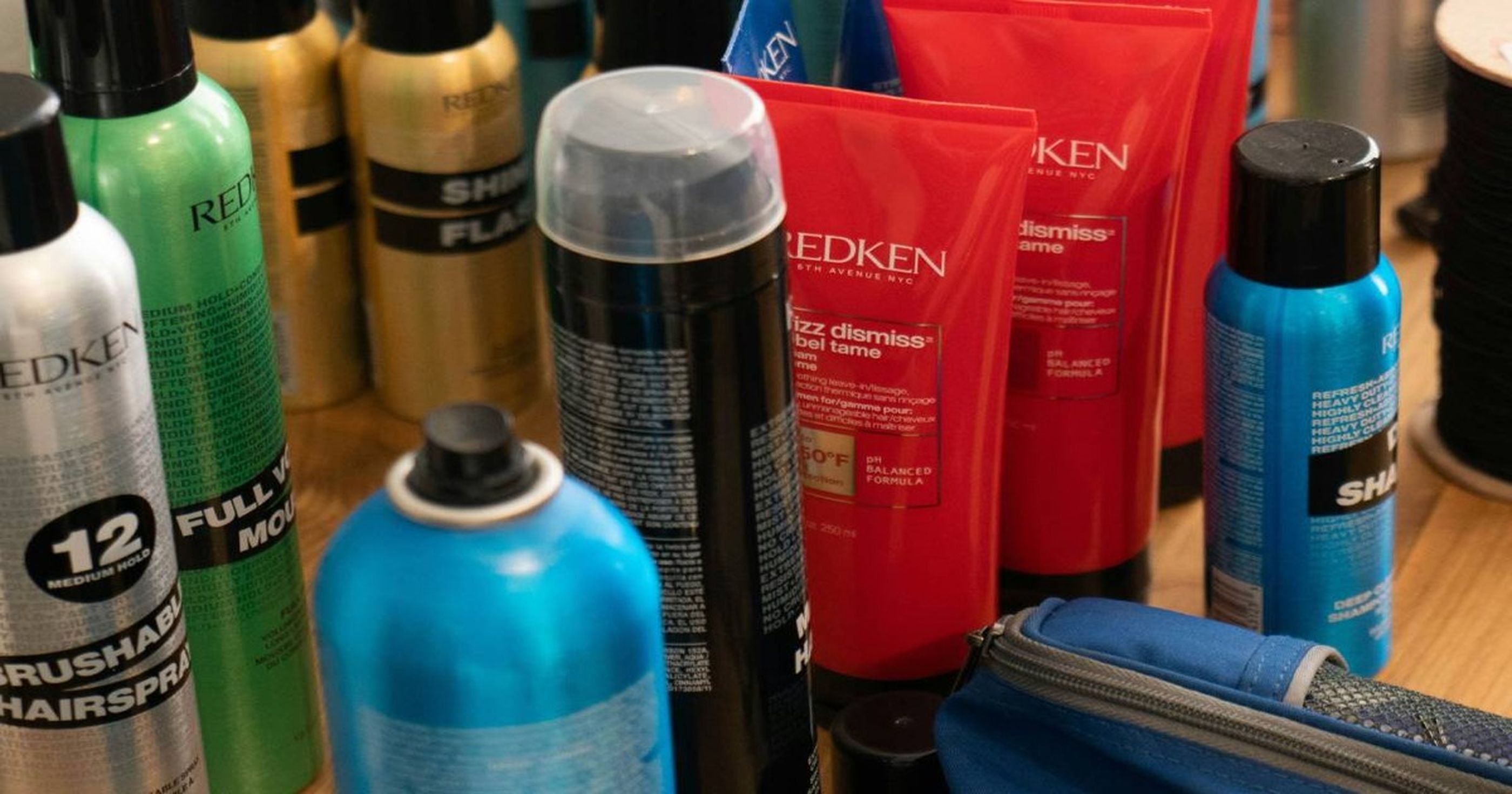
Can hairspray be carried in carry-on luggage or as hairspray in hand luggage? Hairspray is generally allowed in carry-on luggage, but strict liquid regulations apply here. You may only carry hairspray in containers with a maximum capacity of 100 ml each. All liquids and aerosols, including hairspray and deodorant, must be packed in a transparent, resealable 1-liter plastic bag. Only one such bag is allowed per person.
It is important to note that the limit refers to the container’s capacity—a half-full 200-ml can is therefore not permitted. In addition, the spray nozzle should be secured with a cap to prevent accidental activation. Only toiletries such as hairspray, deodorant, or perfume are permitted as spray cans in carry-on luggage; other spray cans (e.g., insect spray) are generally prohibited.
This also helps answer common questions like “can you take spray deodorant on a plane” and how to pack items in your deodorant carry-on correctly.
Hairspray in checked luggage
You may carry hairspray and other aerosols in larger quantities in checked luggage. The total amount of all aerosols and liquids is limited to a maximum of two kilograms or two liters per person, with individual containers generally not exceeding 500 ml. This regulation ensures safety in the cargo hold and prevents the risk of overheating or explosion.
Even in checked luggage, you should ensure that spray cans are well-packed and that the spray valves are secured with a cap. It is recommended to place the products in a separate bag or wrap them in clothing to prevent damage and leakage. Also, be sure to check the import regulations of your destination country, as some countries may have strict rules regarding aerosols
Are aerosol cans allowed on the plane?
Aerosols on planes are generally allowed, provided they are intended for personal use and the applicable quantity restrictions are observed.
In carry-on luggage, spray cans (e.g., hairspray, deodorant) may only be carried in quantities of up to 100 ml per container. These must also be transported in a transparent, resealable 1-liter bag that contains all liquids, sprays, and gels. Each passenger is allowed to carry only one such bag, which must be presented separately at the security checkpoint.
Larger quantities are permitted in checked baggage, but here too there is an upper limit of two kilograms or two liters per person for all aerosols combined. This rule is intended to ensure aviation safety, as aerosols can be potentially dangerous under certain conditions. It is therefore important to strictly adhere to the permitted quantities and ensure that the containers are properly sealed to prevent leakage during transport.
It is important that aerosol cans are intended exclusively for personal use and that the spray valves are secured with a cap. Aerosol cans containing hazardous substances or intended for industrial use are strictly prohibited. If in doubt, it is advisable to check the airline’s current regulations before traveling.
How many milliliters of liquid can you carry in your carry-on luggage?
The so-called 100-ml rule applies to liquids on flights and carry-on luggage: You may only carry liquids, gels, creams, pastes, and aerosols in containers with a maximum capacity of 100 ml. All of these containers must fit into a transparent, resealable plastic bag with a maximum capacity of one liter. Only one such bag is allowed per person.
Important: The rule refers to the maximum capacity of the container, not the actual contents. A half-full 200-ml bottle is therefore not permitted. Duty-free products purchased after security screening are exempt from this rule as long as they are sealed and carried with a receipt.
Why are sprays so heavily regulated?
The strict regulations for carrying sprays and aerosols on airplanes are primarily for safety reasons. Aerosols are pressurized and often contain flammable propellants that can explode or cause fires if mishandled. There is also a risk that liquids or gases could be misused as hazardous materials, for example, to manufacture explosives.
The 100-ml rule was introduced in 2006 to prevent potential terrorist threats. While modern security scanners can now detect many dangerous substances, the strict regulations remain in place to ensure the safety of all passengers. The regulations also minimize the risk of accidental leakage or accidental discharge of spray cans.
Alternatives to traditional deodorant and hairspray (deodorant roll-ons or sticks, hair mousse, gel, wax, or oils)
If you don’t want to go without deodorant or hairspray while traveling but wish to avoid the strict regulations, there are numerous alternatives available. For deodorant, roll-on deodorants or deodorant sticks are ideal, as many travelers ask “is roll on deodorant a liquid”, and these options are often easier to handle than liquid sprays. Solid deodorants, cream deodorants, or deodorant powders are also permitted in carry-on luggage without issue.
Solid products such as stick deodorant on a plane are especially practical for deodorant hand luggage, as they are not subject to liquid restrictions.
There are also alternatives for hair styling: hair gel, hair wax, hair oil, or hair mousse are usually available in small containers and can be carried in your carry-on luggage as long as they do not exceed the 100-ml limit. Solid hair products such as pomades or hair soaps are particularly practical, as they are not considered liquids and are therefore not subject to any restrictions. These alternatives are not only travel-friendly but often more sustainable and environmentally friendly than traditional spray cans.
Deodorant and Hairspray in Carry-On Luggage: All Rules at a Glance
Category Carry-On Luggage Checked Luggage (Suitcase) Notes & Tips
Hairspray Allowed, max. 100 ml per container, in a 1-liter bag Allowed, max. 500 ml per can, total max. 2 liters or 2 kg of aerosols per person Secure spray nozzle with cap, container undamaged, follow airline rules
Deodorant (Spray) Allowed, max. 100 ml per container, in a 1-liter bag Allowed, max. 500 ml per can, total max. 2 liters or 2 kg of aerosols per person Same as for hairspray, for personal use only
Deodorant (Roll-on/Stick)
Allowed, no quantity limit (since not classified as a liquid) Allowed Particularly practical, as no liquid restrictions apply
Aerosol cans in general Permitted if toiletries (hairspray, deodorant, perfume), max. 100 ml per container Permitted, max. 500 ml per can, total max. 2 liters or 2 kg of aerosols per person Industrial/hazardous aerosol cans prohibited
Liquid rule Max. 100 ml per container, all liquids/aerosols in a 1-liter bag Not relevant (only quantity limit per can/total amount) Bag must be transparent and resealable; only one bag per person
Safety aspect Secure spray valve/cap; no damaged cans Secure spray valve/cap; no damaged cans Aerosols under pressure; danger from flammable propellants; therefore strictly regulated
Packing tips In a bag, secure the valve, if necessary place in an additional plastic bag or cosmetic bag Center in the suitcase, surrounded by clothing, secure the valve Do not pack too full or too empty to avoid damage
Alternatives Roll-on deodorant, stick deodorant, solid deodorants, hair gel, hair wax, hair oil, hair mousse (max. 100 ml) Like carry-on luggage Solid products are more travel-friendly and sustainable
Special notes For personal use only; check airline regulations if unsure Observe destination country’s import regulations Duty-free products may be removed after security screening if sealed and accompanied by a receipt
Tips for packing spray cans, deodorant, and hairspray to take on the plane
Here are practical and safe tips for packing spray cans, deodorant, and hairspray to take on the plane:
1. Carry-on hairspray – observe size restrictions for liquids in carry-on and aerosols
Carry-on: Each aerosol can (e.g., deodorant, hairspray) may have a maximum capacity of 100 ml and must fit into a transparent, resealable 1-liter bag. The limit refers to the size of the container, not the actual contents.
Checked luggage: Individual spray cans may hold up to 500 ml; a total of 2 liters or 2 kilograms of aerosols per person is permitted.
2. Secure spray valves
Make sure the spray valve is tightly closed with a cap or lid so that the contents cannot accidentally leak out.
Defective or damaged cans should never be taken along, as they can pose a safety risk.
3. Additional packaging
Plastic bag or cosmetic bag: Pack spray cans and other liquids in a resealable plastic bag or a waterproof cosmetic bag. This protects your luggage from leaks and makes security checks at the airport easier.
Tape: If you’re unsure, you can also secure the lid with tape to prevent accidental opening.
4. Proper Placement in the Suitcase
Place aerosol cans as centrally as possible in your checked luggage, surrounded by soft clothing. This protects them from pressure and impact.
The suitcase should not be packed too tightly, so the cans aren’t crushed, but also not too loosely, so they don’t rattle around.
5. Hairspray in Carry-On Luggage – Labeling and Security Screening
Make sure the containers are clearly identifiable as toiletries to avoid misunderstandings at security screening.
If you are unsure, it is advisable to show the products to the security staff and, if necessary, check the regulations of the respective airline in advance.
6. Alternatives and Recommendations
If possible, consider alternatives such as roll-on deodorant or solid hair products, as these are less strictly regulated and minimize the risk of leakage or loss of pressure.
Consider purchasing and using hairspray and deodorant directly at your destination—this saves space and reduces the risk of issues at security checkpoints. With careful preparation and adherence to regulations, you can safely transport aerosol cans, deodorant, and hairspray on the plane in compliance with the rules.
Conclusion on the topic: Hairspray in carry-on luggage
Carrying hairspray, deodorant, and other liquids on a plane or aerosols on planes is generally possible, but requires strict adherence to applicable regulations. In carry-on luggage, only small quantities of up to 100 ml per container and a total of one liter per person are permitted. Larger quantities may be transported in checked luggage, provided the total amount does not exceed two kilograms or two liters and the products are intended for personal use. These strict regulations are in place to protect all passengers and prevent hazards posed by pressurized containers and flammable propellants.
If you want to play it safe, you should opt for alternatives such as deodorant sticks, solid deodorants, or hair wax. These products are not only convenient for travel but also more sustainable. Always check the current regulations of your airline and destination country in advance to ensure a smooth process at the airport. This way, you can start your trip relaxed and well-prepared.
FAQs on the topic: Hairspray in carry-on luggage
How can Flightright help you?
Are you stuck at the airport due to a flight delay? Your flight has been canceled or you have been removed from the passenger list (denied boarding)?
In each of the situations described, you as a passenger have a right to compensation.
According to the EU Passenger Rights Regulation, passengers are entitled to compensation in the event of a delay, cancellation, overbooking, or missed connection. You can claim up to £520 of compensation per person (minus commission fee). This compensation is independent of the ticket price. Flightright enforces your right for you. If necessary also in court.
Tip: Flightright helps you to enforce your passenger rights! With us, you can check your claims free of charge in two minutes. ✔️Easy, ✔️fast ✔️& without risk
As the market-leading consumer portal, Flightright fights for the enforcement of air passenger rights. We stand up for your rights in the event of a flight delay, cancellation or denied boarding and refer to the European Union’s Air Passenger Rights Regulation 261/2004. Flightright’s air passenger rights experts are also happy to help you with ticket refunds and refunds for canceled package tours.
As experts in the field of air passenger rights, we enforce your right to compensation against the airline!