Bringing your own water bottle on flights is an important issue for many passengers—whether for reasons of sustainability, cost savings, or simply for personal comfort. Especially on longer flights, it is crucial to drink enough water to protect the body from dehydration. But what about the current security regulations? Is it permitted to carry an empty bottle in your carry-on luggage, and which bottles are allowed? In this article, you will find all the relevant information, practical tips, and the most important regulations on the topic of “Can you bring a water bottle on a plane?”. We explain the current TSA guidelines, including whether you can bring a metal water bottle on a plane, what counts as TSA approved water bottles, and what size bottles are allowed in hand luggage — all based on the latest travel regulations and the experiences of frequent flyers.
Liquids in hand luggage: what counts as liquids on a plane?
When it comes to liquids in hand luggage, it’s important to know that the rules apply not only to water and drinks but to almost anything that can flow, spread, or be poured. This includes gels, creams, pastes, sprays, and even toothpaste or deodorant. According to international airport security rules, each liquid must be stored in a container with a maximum capacity of 100 ml, and all containers must fit together in a transparent, resealable plastic bag of up to one litre.
If a container is larger than 100 ml, it may not be taken through security—even if it’s only half full. You’ll need to place such items in your checked baggage instead. While some airports are gradually testing new scanning technology that may relax these limits in the future, most still strictly enforce the 100 ml rule.
Certain exceptions apply. Liquids such as baby food, essential medication, and special dietary liquids are generally permitted in larger amounts but must be declared during screening. Beverages purchased after security or duty-free liquids can exceed 100 ml, as long as they remain sealed in the tamper-evident bag with the original receipt.
In summary: if you want to bring a water bottle on a plane, make sure it’s empty when passing through security, and remember that all other liquids must comply with the 100 ml and 1-litre bag regulations.
Why should you drink plenty of water when flying?
Flying puts strain on the body in various ways: the air in the aircraft cabin is extremely dry, with a humidity level often below 20 percent. This causes the body to lose fluid more quickly, which can lead to headaches, dry skin, concentration problems, and general discomfort. Especially on long-haul flights, it is therefore advisable to drink water regularly to balance your fluid levels and prevent circulation problems. Adequate hydration is also particularly important for frequent flyers, older people, and children. Carrying your own water bottle in your carry-on luggage allows you to stay hydrated at all times, regardless of in-flight service or expensive airport prices for drinks.
Can I bring an empty water bottle on a plane?
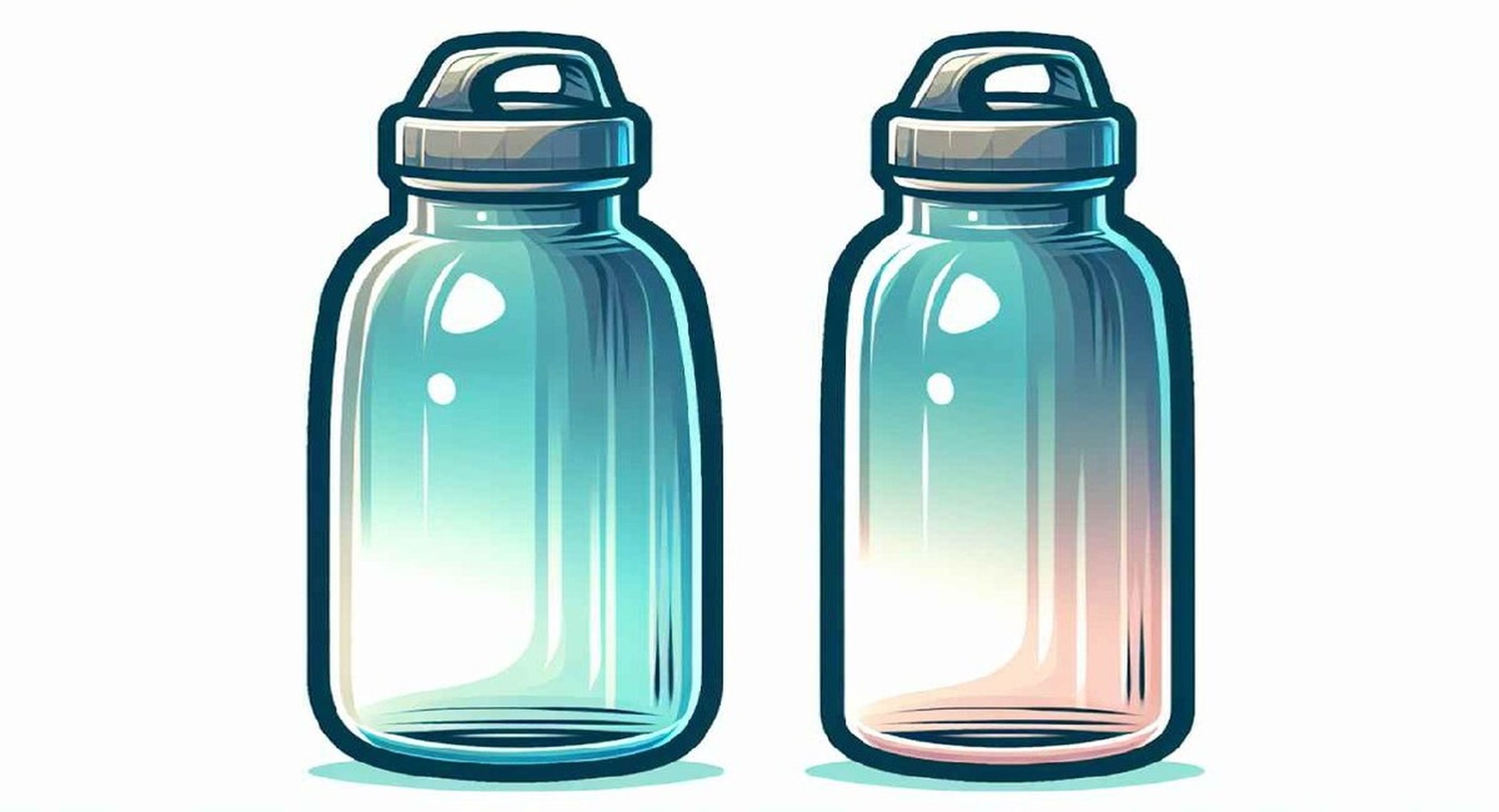
Yes, carrying an empty water bottle in your hand luggage is generally permitted — whether it’s a plastic, metal, or reusable TSA approved water bottle. Security checks at airports focus on liquids, not the bottle itself. So if you’re wondering “can I bring an empty water bottle on a plane?”, the answer is yes, as long as it’s completely empty when you pass through security. Many airports now have free water dispensers, so you can use your bottle conveniently and in an environmentally friendly way. It is important that the bottle is completely empty when it goes through security – even small amounts of liquid can result in the bottle being confiscated.
Which drinking bottles are allowed in hand luggage?
Empty drinking bottles made of plastic (e.g., PET or Tritan), metal (e.g., stainless steel or aluminum), and in some cases glass are generally permitted. Travelers often ask, “can you bring a metal water bottle on a plane?” — the answer is yes, provided it’s empty during screening. These TSA approved water bottles are ideal for sustainability-minded passengers who want to stay hydrated on their next water bottle on airplane trip.
Plastic or metal bottles are the most straightforward, as they are lightweight, shatterproof, and usually pass through security without any problems. The size of the empty bottle does not matter; you may also take larger bottles with you as long as they are completely empty before security. Reusable bottles with leak-proof caps are particularly practical, as they are easy to fill and transport safely when traveling.
Which drinking bottles are not allowed in hand luggage?
Filled bottles are not allowed, as the 100 ml rule applies to liquids in hand luggage: liquids may only be transported in containers with a maximum volume of 100 ml and in a 1-liter bag. Glass bottles may be rejected in individual cases if they are classified as potentially dangerous objects – this is at the discretion of the security personnel. Very large, heavy, or unusually shaped bottles may also be rejected at the security check, especially if they could be interpreted as a weapon. As a general rule, the bottle should be empty, clean, and inconspicuous.
Empty bottles in hand luggage: our recommendations – tips
Tip: Save money by using your own TSA approved water bottle or reusable bottle.
This is the best way to stay hydrated during your flight while following the official rules about what size water bottle you can take on a plane.
Empty before security: Make sure the bottle is completely empty to avoid delays or confiscation.
Use water dispensers: After the check, you can refill your bottle at one of the many water dispensers – this is good for the environment and your wallet.
Choice of material: Plastic and metal bottles are ideal because they are light and robust. You should only take glass bottles with you if you are sure that they will be accepted.
Cleaning: Rinse the bottle thoroughly before traveling to avoid any lingering odors or tastes.
Check the cap: A leak-proof cap will prevent your carry-on luggage from getting wet on the return journey.
Check airline rules: Check with your airline to see if there are any special requirements, especially for international travel.
Multiple bottles: You may carry multiple empty bottles as long as they fit in your carry-on luggage and are empty.
TSA approved water bottles and airport security rules
The transport of liquids in carry-on luggage is strictly regulated: Each liquid must be transported in a container with a maximum capacity of 100 ml. If you’re wondering what size water bottle you can take on a plane, remember that empty bottles are not restricted by this rule — only filled containers are limited to 100 ml.
All containers must fit into a transparent, resealable 1-liter plastic bag, and only one such bag is allowed per person. This rule applies to water, beverages, cosmetics, creams, gels, and similar products. Empty bottles, however, are exempt and may be carried regardless of their volume, as long as they contain no liquid. Beverages purchased or refilled after security checks are no longer subject to quantity restrictions.
What are the regulations for liquids in carry-on luggage?
Carrying an empty TSA approved water bottle in your carry-on luggage is a practical, cost-saving, and sustainable solution for air travelers. Whether it’s stainless steel, aluminum, or plastic, bringing your own water bottle on a plane helps you stay hydrated, eco-friendly, and comfortable throughout your journey.
It is important that the bottle is completely empty at the security check and does not have any unusual characteristics. Plastic and metal bottles are particularly recommended, while glass bottles can be problematic in some cases.
With an empty bottle in your carry-on luggage, you are well prepared for your next trip: you stay hydrated, protect the environment, and avoid unnecessary expenses. Find out in advance about the exact regulations of your airline and enjoy your next flight in a relaxed manner – with your own water bottle on board.
FAQs: The most frequently asked questions on the topic of “empty bottles in carry-on luggage”
How can Flightright help you?
Are you stuck at the airport due to a flight delay? Your flight has been canceled or you have been removed from the passenger list (denied boarding)?
In each of the situations described, you as a passenger have a right to compensation.
According to the EU Passenger Rights Regulation, passengers are entitled to compensation in the event of a delay, cancellation, overbooking, or missed connection. You can claim up to £520 of compensation per person (minus commission fee). This compensation is independent of the ticket price. Flightright enforces your right for you. If necessary also in court.
Tip: Flightright helps you to enforce your passenger rights! With us, you can check your claims free of charge in two minutes. ✔️Easy, ✔️fast ✔️& without risk
As the market-leading consumer portal, Flightright fights for the enforcement of air passenger rights. We stand up for your rights in the event of a flight delay, cancellation or denied boarding and refer to the European Union’s Air Passenger Rights Regulation 261/2004. Flightright’s air passenger rights experts are also happy to help you with ticket refunds and refunds for canceled package tours.
As experts in the field of air passenger rights, we enforce your right to compensation against the airline!