Discovering your flight has been diverted to a different airport can be frustrating and confusing. You’ve planned your journey to a specific destination, only to land somewhere entirely different. But here’s what many passengers don’t realise: you may be entitled to substantial compensation for a diverted flight.
In this comprehensive guide, we explain what diverted flight compensation means under UK passenger rights law, when you’re eligible, and how to claim what you’re owed.
What Is a Diverted Flight?
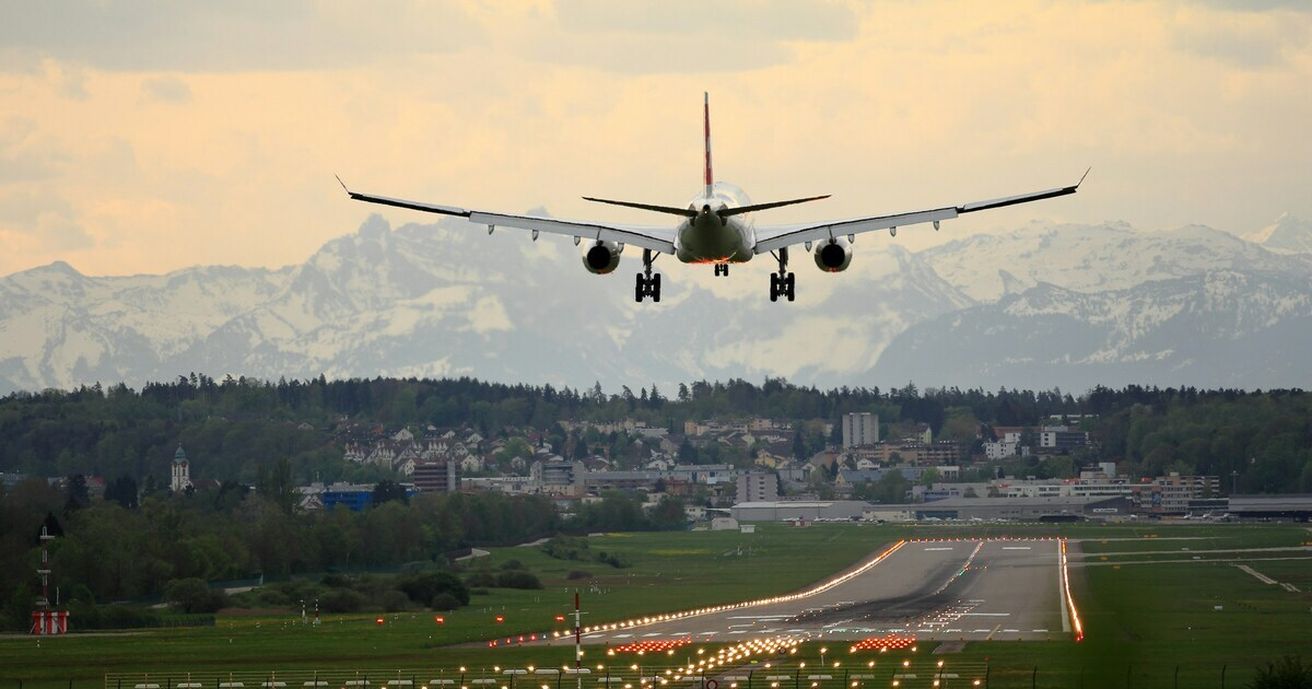
A diverted flight occurs when an aircraft lands at a different airport than originally scheduled on your ticket. This decision can be made by either the pilot or air traffic controllers for various reasons — weather, technical issues, congestion, medical emergencies or other operational problems.
Even if your flight departed normally, a diversion can still cause delays and inconvenience at your final destination — and that’s where your rights under UK 261/2004 (formerly known as EU261) come in to entitle you to a compensation.
Can I Claim Compensation for a Diverted Flight?
The short answer: Yes — you may be able to claim compensation under UK261 if certain conditions are met:
✔ You arrived at your final destination more than 3 hours late
If the diversion caused you to arrive significantly later than scheduled (usually 3+ hours at destination), you could be entitled to compensation. Important: The flight delay is calculated from your arrival time at your original, intended destination, not from when you landed at the diverted airport.
✔ The cause of the diversion was within the airline’s control
Airlines are required to pay compensation only for disruptions they could have prevented. This excludes “extraordinary circumstances” like severe weather, air traffic control strikes, or sudden security issues — situations generally outside airline control.
✔ Your flight is covered by UK261/EU261 rules
You’re covered if your flight:
Departed from a UK or EU airport, or
Arrived in the UK/EU with a UK/EU airline (even after Brexit).
These rules apply regardless of why the diversion happened — as long as the delay at the final destination meets the compensation threshold and isn’t due to an extraordinary circumstance.
How Much Compensation Can You Get?
Under UK261, compensation amounts are fixed based on flight distance and delay at arrival — and flights impacted by diversions are treated the same as other delays:
Short-haul flights (up to 1,500km): £220
Medium flights (1,500–3,500km): £350
Long flights (over 3,500km): £520
Each passenger on your booking can claim individually. For example, a family of four on a long-haul flight from London to Los Angeles could be entitled to up to £2,080 in total compensation.
Common Reasons for Flight Diversions
Understanding why flights get diverted can help you determine whether you’re eligible for compensation:
1. Technical Problems
When an aircraft experiences mechanical issues mid-flight, it may be diverted to the nearest suitable airport with maintenance facilities. You CAN typically claim compensation for technical problems, as airlines are responsible for maintaining their aircraft.
2. Weather Conditions
Severe weather at your destination airport (fog, storms, snow) may make landing unsafe, requiring diversion to an alternative airport. You typically CANNOT claim for weather diversions, as these are considered extraordinary circumstances.
3. Medical Emergencies
If a passenger or crew member requires urgent medical attention, the flight may divert to the nearest airport with appropriate facilities. You typically CANNOT claim for medical emergency diversions.
4. Disruptive Passengers
Unruly passengers who pose a threat to safety may result in a flight diversion. The eligibility for compensation depends on the specific circumstances and airline response.
5. Security Threats
Issues including bomb threats, terrorism concerns, or security risks at the destination may require diversion. You typically CANNOT claim for security-related diversions, as these are extraordinary circumstances.
6. Air Traffic Control Issues
Delays or restrictions imposed by air traffic control can lead to diversions. Whether you can claim depends on the specific situation and whether the airline took reasonable measures.
Overview of flight diversion compensation
Scenario | Claim Compensation? |
|---|---|
Technical/operational delay | ✔ Usually yes |
Airline staffing or scheduling problem | ✔ Yes |
Bad weather forcing diversion | ✘ Usually no |
Medical emergency on board | ✘ Usually no |
Security/air traffic control restrictions | ✘ No |
Even if compensation isn’t due, the airline must still offer care and assistance (meals, accommodation, communication) while you wait.
Flight diverted: Your Rights Beyond Compensation
When your flight is diverted, airlines must fulfil several obligations regardless of the reason:
Your Right to Get to Your Final Destination
The airline must transport you to your original destination at no additional cost. This could involve:
Booking you on another flight (with the same or different airline)
Arranging bus, train, or taxi transport
Providing overnight accommodation if necessary
Your Right to Care and Assistance
Depending on your flight distance and delay length, airlines must provide:
Flight Distance | Assistance After |
|---|---|
Up to 1,500 km | 2 hours |
1,500-3,500 km | 3 hours |
Over 3,500 km | 4 hours |
What this includes:
Meals and refreshments (reasonable for the waiting time)
Hotel accommodation (if an overnight stay is necessary)
Transport between airport and hotel
Two free phone calls, emails, or fax messages
Keep your receipts! If the airline doesn’t provide these services and you must pay for them yourself, you can claim reimbursement later.
Your Right to a Ticket Refund
If your diversion causes you to arrive 5+ hours late, you may choose to:
Continue to your destination with alternative transport that is either booked by yourself or the airline, OR
Request a full ticket refund and return flight to your departure point (if applicable).
Diverted Flight vs Emergency Landing: What’s the Difference?
It’s crucial to understand that a diverted flight and an emergency landing are different:
Diverted Flight: A precautionary measure where the plane lands at an alternative airport (often due to weather, minor technical issues, or passenger behaviour)
Emergency Landing: An immediate landing due to a serious safety threat requiring urgent action (e.g., onboard fire, critical system failure, severe medical emergency)
Both situations may entitle you to compensation, but only if the airline is at fault and you arrive 3+ hours late at your final destination.
How Long Do You Have to Claim?
You have 6 years from the date of your flight to claim compensation in England, Wales, and Northern Ireland, and 5 years in Scotland. Don’t wait too long to start your claim. While the limitation period is generous, gathering evidence and documentation becomes more difficult over time.
How to Claim Compensation for a Diverted Flight
While making a claim for a flight diversion might seem difficult – it’s actually pretty easy. Just follow these steps to maximise your chances of a successful claim:
1. Gather Evidence
Collect and keep:
Your boarding pass and booking confirmation
Photos of information boards showing delays
Written explanation from airline staff
Receipts for any expenses (food, accommodation, transport)
Communication from the airline about the diversion
2. Ask the Airline Why
Request a written explanation for the diversion. The reason matters significantly for your claim eligibility.
3. Use Flightright’s Compensation Calculator
Simply enter your flight details into our free compensation calculator to determine your entitlement based on flight distance and delay duration.
4. Submit Your Claim with Flightright
If you are eligible to make a claim, let Flightright handle everything while you sit back and relax. We will negotiate with the airline on your behalf to help you get the compensation you are owed!
Why Use Flightright for Your Claim?
Dealing with airlines can be time-consuming and frustrating. Many passengers give up when faced with complex claim forms and requirements, as well as airline rejections and their intimidation tactics.
At Flightright, we know how to handle everything – we know what evidence is needed and understand the regulations inside and out. With over 15 years of experience and a 99% success rate, we have helped over 12 million passengers get the compensation they are owed! And the best part? We work on a no-win, no-fee basis. You have nothing to lose and potentially hundreds of pounds to gain.
Frequently Asked Questions around Diverted Flight Compensation
Can I claim if the diversion was due to bad weather?
Generally no, as severe weather is considered an extraordinary circumstance. However, we recommend checking your specific case, as airlines sometimes claim “weather” when other factors were involved.
What if I was diverted but landed at a nearby airport?
You can still claim if you arrived at your final destination 3+ hours late, regardless of how close the diverted airport was.
Can I claim for both compensation and expenses?
Yes! You can claim statutory compensation for the delay AND reimbursement for reasonable expenses the airline should have covered but didn’t.
What if my return flight was diverted?
The same rules apply. Each leg of your journey is treated separately for compensation purposes, as long as the flight started in the UK/EU, landed in the UK/EU or was with a UK/EU-based airline.
Do I need to inform the airline immediately?
While it’s helpful to request information at the time, you can claim up to 6 years after the flight in most of the UK.