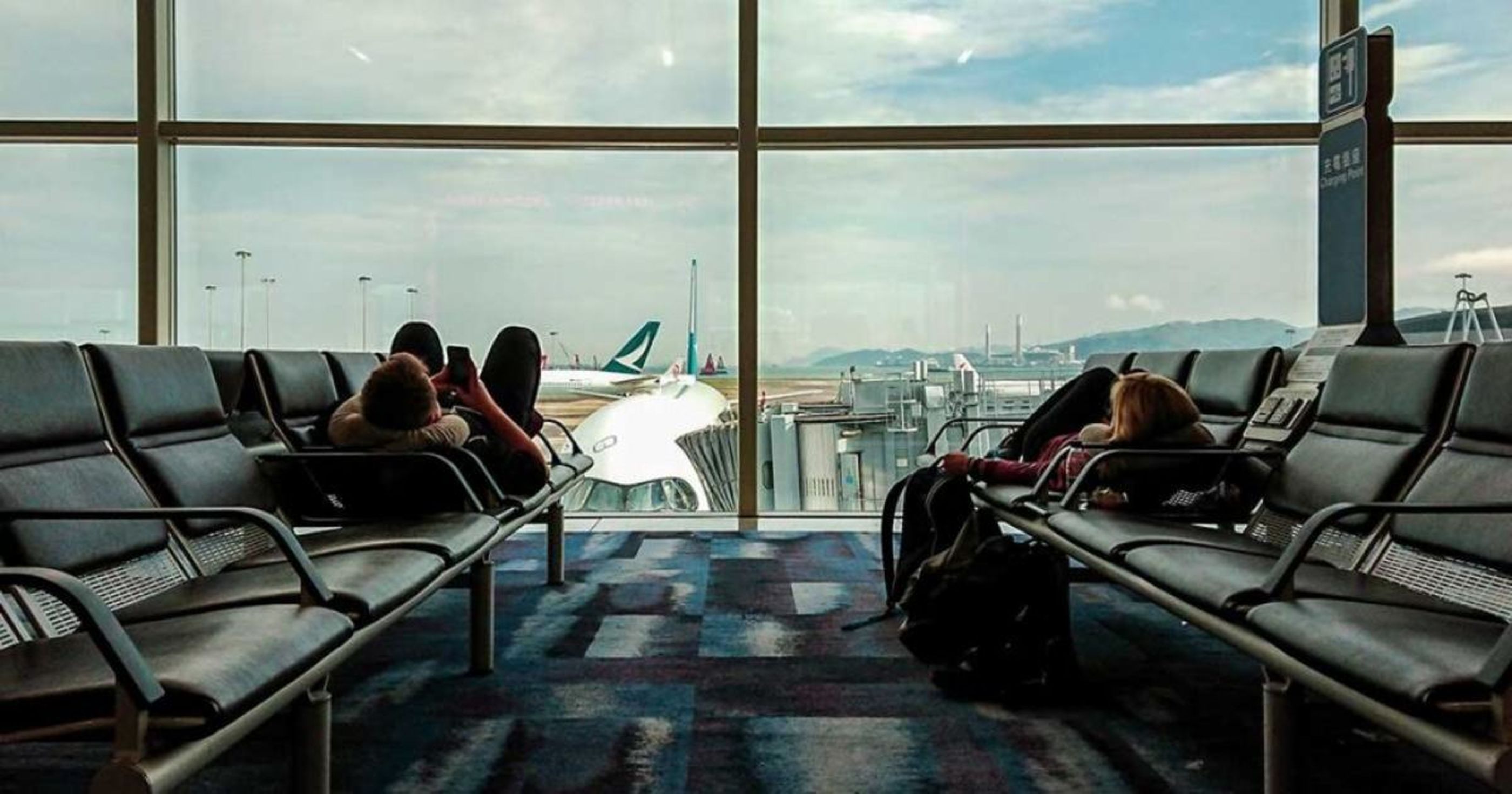
Sleeping at the airport is no longer an exception for many travelers: whether due to a missed connecting flight, a long layover, or an early morning departure, more and more people are spending the night at the airport. If you’re wondering “can you stay overnight at an airport” and how to sleep in an airport without stress, the good news is: it’s often possible with the right preparation. While some airports score points with quiet areas, lounges, and sleeping cabins, others are less sleep-friendly — so knowing where to sleep in an airport makes a big difference. In this comprehensive guide, you will find all the answers, practical tips, and the best strategies for a relaxing night at the airport.
Is it allowed to sleep at the airport?
Is sleeping at the airport allowed? In principle, can you sleep at the airport — yes: spending the night at the airport is not prohibited in most countries and airports and is tolerated in many places, especially in the event of flight cancellations, long layovers, or early departure times. In some cases, such as extreme weather conditions or strikes, airport staff are even required to allow passengers to stay overnight in the terminal. However, there are exceptions: some smaller airports close completely at night, and at certain airports (e.g., Keflavik, Iceland), spending the night without necessity is frowned upon. Therefore, find out in advance about the opening hours and house rules of your airport.
What does the airport offer at night?
Many large airports offer basic services at night:
Open toilets and, in some cases, showers
Seating areas, some with quiet zones
Vending machines with snacks and drinks
In some cases: 24-hour shops, cafes, or fast food
Free Wi-Fi
Security and cleaning staff on site
Sleeping cabins and airport sleeping pods (e.g., Napcabs, Sleeping Pods) for a fee — a great option if you want a real airport bed instead of sleeping on benches
The services offered can vary greatly depending on the airport. Asian and Northern European airports are often particularly well equipped.
Sleeping at the airport – advantages
Money savings: No hotel room necessary, especially for short stays.
Stress reduction: No time pressure in the morning, no worries about traffic jams or train cancellations.
Flexibility: You can explore the airport, arrive at the gate early, and take a relaxed approach to check-in or security.
Experience: For many, spending the night at the airport is a little adventure and an opportunity to meet people from all over the world.
Sleeping at the airport: disadvantages – things to consider
Noise: Announcements, cleaning work, and other travelers can disturb your sleep.
Uncomfortable seating: Many benches have armrests or are made of hard material.
Light: Bright lighting can make it difficult to fall asleep.
Security concerns: Pickpocketing or loss of luggage are risks, especially in less busy areas.
Lack of privacy: Sleeping in public means you cannot completely retreat.
What makes an airport sleep-friendly?
Rest areas: Separate, quiet areas with reclining chairs or sofas
Sleeping cabins: Napcabs, sleeping pods, or similar mini hotel rooms
Hotels in or near the terminal: For more comfort and privacy
24/7 amenities: Open cafes, shops, and restrooms
Safe environment: Presence of security personnel, surveillance cameras
Good signage: Clear indications of quiet zones and sleeping facilities
Which airports are best for spending the night?
Research in advance: Which airports are sleep-friendly? According to international rankings and experience reports, these airports are particularly sleep-friendly:
Rank | Airport | Country | Special features |
|---|---|---|---|
1 | Singapore Changi (SIN) | Singapore | Rest areas, reclining chairs, cinema, pool, sleeping cabins |
2 | Seoul Incheon (ICN) | South Korea | Rest areas, loungers, showers, transit hotel |
3 | Tallinn (TLL) | Estonia | Sleeping pods, sofas, beanbags |
4 | Tokyo Haneda (HND) | Japan | Upholstered loungers, benches without armrests |
5 | Helsinki-Vantaa (HEL) | Finland | Sleeping pods, long benches without armrests |
6 | Munich (MUC) | Germany | Napcabs, many seating options |
Sleep-friendly airports in the UK: Heathrow, Gatwick, Manchester & more
If you’re traveling in the UK and asking “can you stay overnight at an airport” or can you sleep at the airport, it’s important to know that rules and comfort levels can vary by terminal. Some areas stay busy all night, while others become quiet but less comfortable. Here are the most searched UK airports for overnight stays and tips on where to sleep in an airport:
Manchester Airport (MAN) – a major airport with plenty of seating, but it can be noisy at night; look for quieter gate areas and bring earplugs
Heathrow (LHR) – very busy airport with strong security presence; comfort depends on the terminal, so plan your sleeping spot early
Gatwick (LGW) – popular for early flights, meaning many travelers stay overnight; expect bright lights and limited lying-down space in some areas
Stansted (STN) – often crowded with low-cost flights; seating can be uncomfortable, so bring a neck pillow and warm layers
Belfast Airport (BFS) – smaller than the London hubs, so overnight options may be more limited; always check opening hours and accessible areas
Tip: For a more comfortable night, consider airport sleeping pods (if available), lounges (if open), or a nearby airport hotel if you need real rest instead of an improvised airport bed.
The best places to sleep at the airport
When a flight is delayed or you have a long wait at the airport, getting a good night’s sleep can be a real challenge. But if you know where to sleep in an airport, you can make the time much more pleasant. Whether in special rest areas with sleeping cabins, on long benches without armrests in quiet areas, or in airport lounges with comfortable armchairs and catering — there are various options for relaxing and resting. Many experienced travelers also use simple airport sleeping hacks, like choosing carpeted corners near quiet gates and staying close to other travelers or security staff for peace of mind.
Where can I find the best place to sleep at the airport?
Rest areas and sleeping cabins (e.g., Napcabs, Sleeping Pods): These special areas are often quiet and offer comfortable sleeping facilities such as reclining chairs or small, enclosed sleeping cabins that provide privacy and protection from noise.
Long, armrest-free benches in secluded waiting areas: These benches allow you to stretch out and are usually found in quieter areas of the airport, so you can sleep undisturbed.
Lounges (often accessible for a fee, with comfortable armchairs and snacks): Airport lounges offer comfort, quiet, and often food and drink. Access is sometimes subject to a fee, but in return you can relax and unwind in comfortable armchairs.
Close to other sleeping travelers – groups offer more security: Sleeping near other travelers can provide a sense of security and reduce the risk of theft or disturbance.
Areas with security or cleaning staff nearby: These places are often well monitored and therefore offer a safer environment for sleeping, as staff can intervene quickly if problems arise.
Can you sleep in airport lounges?
In many cases people ask themselves can you sleep in airport lounges? — yes, especially during long layovers. Lounges are usually quieter, offer more comfortable seating, and provide food and charging stations. However, access rules vary (paid entry, airline status, or membership), and some lounges may close overnight.
How can I sleep at the airport for free and still be comfortable?
Sleeping at the airport for free is possible if you are well prepared and look specifically for suitable places to rest.
Find a quiet corner, away from walkways and loudspeakers, preferably at less frequented gates, on carpets, or on upholstered furniture.
Families can stay overnight in the children’s play areas, where the floors are often softly padded and there is plenty of space.
Bring sleeping mats, small pillows, blankets, eye masks, and earplugs to improve your sleeping space and position.
There are often free rest areas or deck chair areas that are quiet and safe at night.
Bad places to sleep at the airport
Right next to the entrances and exits: There is a lot of foot traffic here, it is loud and restless, and there is also a higher security risk due to the constant movement of people.
In front of the toilets or elevators: These areas are often noisy due to frequent use, and they can also be unhygienic, which makes sleeping uncomfortable.
Close to check-in counters or gates with night flights: These areas are constantly busy, there are many announcements and passengers, which leads to a lot of unrest.
On the floor in high-traffic areas: The floor is hard and uncomfortable, and there are many people, which makes it difficult to sleep and increases the risk of disturbances.
In remote, dark corners without surveillance: Such places are quiet, but often unsafe, as there is no control by staff and you feel unprotected there.
Safety when sleeping at the airport
Waiting at the airport, especially when flights are delayed or there are long layovers, can be very stressful. In order to find peace and feel safe during this time, it is important to observe some basic safety measures. These include, for example, sleeping in well-lit and busy areas, keeping your luggage within reach at all times, and carrying your valuables on your person. Knowing where the emergency exits and escape routes are, setting an alarm, or asking fellow travelers to wake you up can also help you get through the waiting time at the airport safely and relaxed.
How can I sleep safely at the airport and protect my luggage?
Sleep in busy, well-lit areas with security presence
Always keep your luggage close to your body, use locks, or attach it to your seat
Carry valuables on your person (e.g., in a fanny pack)
Stay close to other travelers if possible Find out about emergency exits and escape routes
Set an alarm clock or ask fellow travelers to wake you up
Spending the night at the airport with children without stress
How can I stay overnight at the airport with children without stress? When traveling with children, the right choice and planning are particularly important to ensure comfort and stress-free travel.
Arrive early so you can get a good spot and avoid the stressful last-minute search for a place to sleep.
Use family lounges, play areas, or carpeted areas; these are more comfortable and often designed specifically for families.
Make sure you have enough snacks, drinks, entertainment, and disinfectant for the children to make the waiting time stress-free.
A change of clothes, favorite toys, and a cozy blanket help to calm the children and make their overnight stay more comfortable.
Which apps help you find places to sleep at the airport?
Practical apps: Various apps/websites help you find suitable sleeping accommodations and family areas.
App/Website | Function | Cost | Features |
|---|---|---|---|
SleepingInAirports | Experience reports, sleep maps, tips | Free | Comprehensive information & locations |
App in the Air | Waiting times, layover tips, seat information | Free | Lounge & sleeping space search, Wi-Fi tips |
FLIO | Airport guide, lounge finder, tips | Free | Real-time information on lounges & services |
napcabs | Booking of sleeping cabins | Paid | Sleeping comfort, can be reserved online |
Which websites help you find places to sleep at the airport?
Useful websites: Various websites help you find suitable places to sleep and family areas.
sleepinginairports.net – The best site for free and paid sleeping areas, reviews, and family information.
napcabs.com – Location and online booking of sleeping cabins at major European airports.
Airport website (e.g., Munich, Frankfurt, Berlin) – Information about rest areas, lounges, and family offers directly at the airport.
HolidayCheck, Flightright Blog – Lists and tips for staying overnight at the airport with children and practical sleeping spot hacks.
Night at the airport: Hotel nearby? Is an airport hotel worth it?
An airport hotel is the most comfortable option for spending the night at the airport during a long layover. It offers a private room with a bed, peace and quiet, and often additional amenities such as breakfast or Wi-Fi. This option is particularly useful if you value a good night’s sleep and are willing to spend more money for it. However, the prices for an airport hotel are usually significantly higher than other alternatives such as sleeping cabins or sleeping in rest areas.
For travelers on a tight budget or with very short stays, however, an airport hotel may be less attractive. In such cases, cheaper alternatives are available, such as sleeping pods (Napcabs), lounges, or quiet corners in the terminal where you can at least take a nap. The decision therefore depends heavily on your individual situation, the money you have available, and how much comfort you want.
Alternatives to staying overnight at the airport
Alternative: cinema, lounge, and napcabs/sleeping pods
Airport lounges (accessible for a fee or with frequent flyer status)
Sleeping pods/napcabs (can be rented by the hour, e.g., in Munich, Helsinki, Singapore)
Hotels near the airport (often with shuttle service)
Hostels or affordable accommodation in the city
24-hour cafes or fast food restaurants in the terminal
Tips for sleeping at the airport – comfort tips on how to sleep in an airport
10 tips for spending the night at the airport – The 10 best tips for sleeping at the airport
Bring a sleep mask and earplugs to block out light and noise. Airports are often brightly lit and noisy, with announcements and lots of people. A sleep mask helps block out the bright lights, while earplugs minimize distracting noises so you can sleep better.
Bring a pillow or neck pillow for extra comfort. Bringing your own pillow or neck pillow will help you sleep more comfortably, especially if you have to sleep on hard benches or chairs. It supports your neck and prevents tension.
Warm clothing or blanket – Air conditioning can be very cool at night.
Airports are often air-conditioned, which can be very cold at night. Warm clothing or a blanket will help you stay warm and make you more comfortable while you sleep.Use your carry-on luggage as a pillow and always keep it secure. If you don’t have your own pillow with you, you can use your backpack or bag as a pillow. At the same time, you should always keep your carry-on luggage close to you or secure it to prevent theft.
Find a good place to sleep early – popular spots fill up quickly. One of the best airport sleeping hacks is to scout quiet gates and rest areas before midnight, because the most comfortable corners are often taken early.
Have snacks and water ready – not all shops are open at night.
Many shops at the airport close at night. If you get hungry or thirsty, you’ll be better off with your own snacks and water so you don’t have to go hungry or thirsty.Carry your valuables on your person
To protect your important items such as money, ID, or smartphone from theft, you should carry them as close to your body as possible, for example in a fanny pack or inside pockets.Set an alarm clock so you don’t miss your flight.
To make sure you wake up on time despite fatigue and don’t miss your flight or departure, we recommend setting an alarm clock or activating a reminder on your smartphone.Get up and stretch regularly to avoid tension.Sitting or lying down for long periods of time on uncomfortable surfaces can lead to muscle tension. Taking short breaks to get up and stretch will help your body relax.
Find out in advance whether the airport is open at night and what sleeping options are available.
Some airports close at night or have certain areas that are not accessible. Therefore, find out in advance about opening hours and available rest areas, sleeping cabins, or lounges so that you can plan better.
Sleeping on the plane
Sleeping on the plane can be challenging, but with the right preparation, the quality of sleep can be significantly improved. It is important to choose the right seat—a window seat offers the most peace and support—and to create a comfortable sleeping environment with a neck pillow, sleep mask, and earplugs or noise-canceling headphones. Comfortable, layered clothing and warm socks help to compensate for temperature differences. In addition, rituals such as reading, listening to music, or short meditation sessions also promote falling asleep while traveling.
Sleep is also supported by avoiding alcohol and caffeine before the flight and opting for light snacks instead, as heavy meals and certain drinks can prevent rest. The optimal sitting position, the use of small pillows as lumbar support, and the visible fastening of the seat belt prevent disturbances by the cabin crew. By adjusting your sleep times to your destination, you can also effectively prevent jet lag and arrive rested.
Conclusion – Sleeping at the airport
Sleeping at the airport can be a practical and inexpensive solution—provided you are prepared and know what to look out for. Find out in advance about the conditions at your airport, pack the essentials for a comfortable night, and choose a safe place to sleep. Use sleep pods, lounges, or hotels if you value privacy and comfort. With the right tips and a little flexibility, spending the night at the airport can be a stress-free experience and maybe even a little travel adventure.
Sleeping at the airport – Frequently asked questions
Is it acceptable to sleep in an airport?
Yes, in many airports it’s acceptable and often tolerated, especially during long layovers, delays, cancellations, or early departures. However, rules vary depending on the airport and country, so always check terminal opening hours and local security policies.
Do any airports have sleeping rooms?
Yes. Many large international airports offer paid or free rest options such as quiet zones, transit hotels, and airport sleeping pods (sometimes listed as sleeping cabins). Availability depends on the airport and terminal.
How much is a sleeping pod at the airport?
Prices vary by airport and provider. Airport sleeping pods are typically charged per hour or for a fixed time slot, and the total cost depends on location, demand, and how long you stay.
How can Flightright help you?
Are you stuck at the airport due to a flight delay? Your flight has been canceled or you have been removed from the passenger list (denied boarding)?
In each of the situations described, you as a passenger have a right to compensation.
According to the EU Passenger Rights Regulation, passengers are entitled to compensation in the event of a delay, cancellation, overbooking, or missed connection. You can claim up to £520 of compensation per person (minus commission fee). This compensation is independent of the ticket price. Flightright enforces your right for you. If necessary also in court.
Tip: Flightright helps you to enforce your passenger rights! With us, you can check your claims free of charge in two minutes. ✔️Easy, ✔️fast ✔️& without risk
As the market-leading consumer portal, Flightright fights for the enforcement of air passenger rights. We stand up for your rights in the event of a flight delay, cancellation or denied boarding and refer to the European Union’s Air Passenger Rights Regulation 261/2004. Flightright’s air passenger rights experts are also happy to help you with ticket refunds and refunds for canceled package tours.
As experts in the field of air passenger rights, we enforce your right to compensation against the airline!