Air traffic control (ATC) strikes have become an increasingly common disruption for travellers across Europe. In 2025 alone, French ATC strikes in July affected over one million passengers, with 1,422 flights cancelled daily and an average of 3,713 flights delayed.
When your carefully planned journey is upended by industrial action, understanding your rights can make the difference between a frustrating experience and one where you’re properly supported. In this comprehensive guide, we will outline your legal rights if your flight is disrupted by an ATC strike and what you can do to claim compensation.
What is Air Traffic Control and Why Do Strikes Happen?
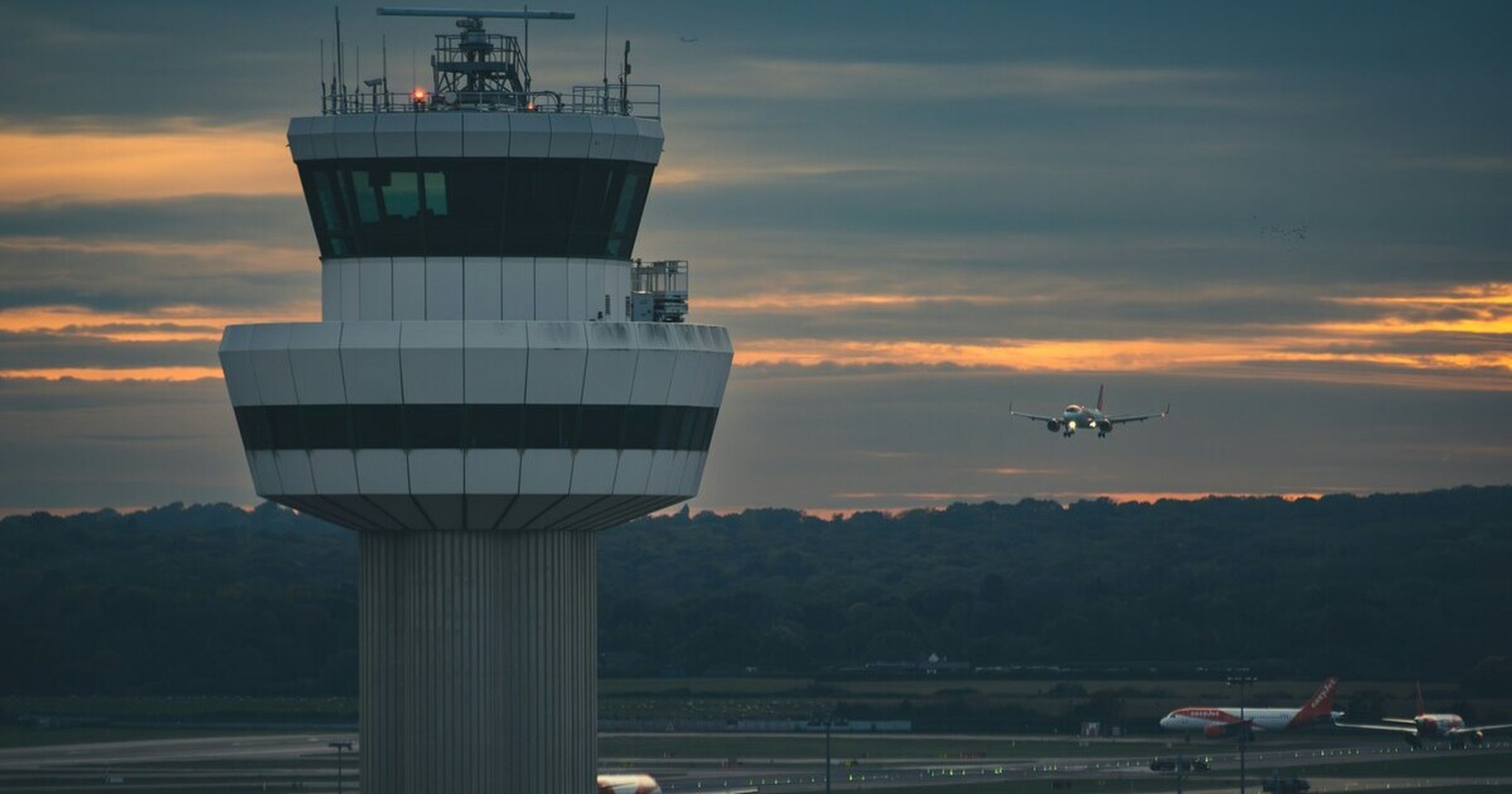
Air traffic controllers are the invisible guardians of our skies. These highly skilled professionals manage aircraft movements, prevent collisions, provide critical information to pilots, and ensure the safe flow of planes arriving and departing from airports. Without them, modern aviation simply cannot function.
ATC strikes typically occur due to disputes over working conditions, staffing levels, pay, or workplace management practices. Controllers often work under intense pressure, making split-second decisions that affect passenger safety. When negotiations with authorities or management break down, industrial action becomes their tool for change.
In recent years, France has been particularly affected, with its controllers conducting the majority of European aviation strikes over the past decade. This isn’t surprising given that approximately 33% of European flights cross, land, or take off in France each day, with almost 60% being overflights.
The Ripple Effect: How One Country’s Strike Affects Europe
What makes ATC strikes particularly disruptive is their cascading impact. A strike in France doesn’t just affect flights to Paris or Lyon—it impacts the entire European aviation network. Aircraft must reroute around French airspace, leading to longer flight times, additional fuel consumption, and congestion in neighbouring airspace.
Recent data from IATA reveals that ATC delays in Europe have more than doubled over the last decade, with a 114% increase between 2015 and 2024. Whilst this includes various factors, strikes have become more prevalent, accounting for 8.8% of overall ATC-casued delays, with 9.8 million minutes of delays attributed to ATC strikes over the past decade.
Affected by a flight delay/cancellation/rebooking?
Your Rights During Air Traffic Control Strikes
Can You Claim Compensation for ATC Strikes?
No, because air traffic control strikes are generally classified as “extraordinary circumstances” under EU261 regulations. This means airlines are typically NOT required to pay financial compensation for delays or cancellations caused by ATC industrial action.
The reasoning is straightforward: airlines do not employ air traffic controllers and therefore cannot be held responsible for their actions. In Europe for example, the ATC are overseen by Eurocontrol (in the UK it’s the Civil Aviation Authority and in the US the Federal Aviation Administration). These organisations are independent of airlines and hence their actions are considered outside the airline’s control.
This is fundamentally different from airline staff strikes involving pilots or cabin crew, where compensation is usually payable.
However, there’s an important distinction: if your flight is disrupted by airline employee strikes (pilots, cabin crew, ground staff employed by the airline), you are entitled to compensation under EU261. Only strikes by third parties—including ATC, airport security, border control, and independent baggage handlers—fall under the extraordinary circumstances exemption.
Situation | Airline Must Provide | Compensation Possible? |
|---|---|---|
Air Traffic Control Strike | Duty of Care & Refunds | Generally no financial compensation |
Airline Staff Strike | Duty of Care & Refunds | Yes, if conditions are met |
Weather or Other Extraordinary Circumstances | Duty of Care | Typically no |
Your Right to Care and Assistance
Whilst monetary compensation may not apply, airlines still have mandatory obligations to support you during ATC-related disruptions. Under EU261, if your flight is delayed by more than two hours (for flights under 1500km), three hours (for flights between 1,500km and 3,500km), or four hours (for flights over 3,500km), the airline must provide:
Meals and refreshments in reasonable relation to your waiting time
Two free telephone calls, emails, or faxes to inform others of your situation
Hotel accommodation if an overnight stay becomes necessary
Transportation between the airport and the hotel
These rights apply regardless of the reason for the delay. Even though ATC strikes are beyond the airline’s control, the duty of care remains absolute.
Important tip: If you need to purchase meals, accommodation, or other essentials out of pocket because the airline fails to provide them, keep all receipts. You have the right to claim reimbursement from the airline afterwards. However, expenses must be reasonable—think airport café meals rather than five-star restaurant bills.
Your Right to Refund or Rebooking
When your flight is cancelled due to an ATC strike, you have two main options:
Full ticket refund: You can choose to receive a complete refund of your ticket price if you decide not to travel. This applies even when the cancellation is due to extraordinary circumstances.
Rebooking: The airline must offer you an alternative flight to your destination at the earliest opportunity, at no additional cost. This might be on the same airline or, in some cases, on a competitor’s service.
If your flight is delayed by five hours or more, you also gain the right to cancel your journey and receive a full refund, even if the flight hasn’t been officially cancelled.
Critical Information to Collect
When your flight is disrupted, documentation becomes crucial. Airlines must provide yo with specific information about the disruption, including:
The reason for the flight delay or cancellation (get this in writing)
Your rights to care, assistance, and rebooking
The expected departure time of any alternative flights
Your options for refunds
If airline or airport staff don’t provide clear information about why your flight was disrupted, ask them directly. The distinction between an ATC strike and an airline operational issue can determine whether you’re entitled to compensation. Don’t assume you know the reason—get official confirmation.
When Airlines Get It Wrong
Not all disruptions blamed on ATC strikes are actually beyond the airline’s control. European courts have scrutinised cases where airlines cited “extraordinary circumstances” when the real issue was their own poor planning or operational failures.
For example, if other airlines managed to operate through the same conditions but yours didn’t, or if the airline failed to take reasonable measures to minimise the disruption, compensation may still be payable. Similarly, if ATC restrictions contribute to a delay but the airline’s crew scheduling or aircraft positioning decisions made the situation worse, they cannot hide behind the extraordinary circumstances defence.
This is where specialist legal support becomes valuable. At Flightright, we examine the full circumstances of your disruption, not just the airline’s initial explanation. Over the years, we’ve successfully challenged cases where airlines incorrectly attributed disruptions to ATC issues when compensation was actually due.
What About Airline Staff Strikes?
It’s essential to distinguish between ATC strikes and airline employee strikes. When pilots, cabin crew, or airline ground staff strike, this is not considered an extraordinary circumstance. Airlines control their employment relationships and working conditions, making them responsible for labour disputes with their own staff.
If your flight is delayed by three hours or more, or cancelled with less than 14 days’ notice due to airline employee industrial action, you are entitled to compensation ranging from €250 to €600, depending on the flight distance:
Up to 1,500km: €250
1,500km to 3,500km: €400
Over 3,500km: €600
You retain full rights to care, rebooking, or refunds, just as with ATC strikes.
Practical Steps When Strikes Affect Your Flight
Monitor your flight status: Check your airline’s app or website regularly, especially when strikes are announced.
Arrive prepared: During known strike periods, bring snacks, water, and entertainment for potential delays.
Document everything: Take photos of departure boards showing delays, save all communications from the airline, and keep receipts for any expenses.
Know your options: Before accepting rebooking, check if alternative flights with other airlines might get you there sooner. Airlines should offer these when available.
Request written confirmation: Get the airline to confirm in writing the reason for any disruption and what assistance you’ve been offered.
Don’t accept unfair treatment: If the airline fails to provide meals or accommodation when required, insist on your rights or arrange it yourself and claim reimbursement.
File your claim: Even if the airline initially refuses compensation, circumstances can be complex. Submit your claim for free to Flightright for expert evaluation—you might be surprised at what you’re entitled to.
Affected by a flight delay/cancellation/rebooking?
Looking Ahead: The Reality of ATC Disruption
The European aviation network remains vulnerable to ATC strikes, particularly during peak travel seasons. With staffing pressures, increasing air traffic, and ongoing labour disputes across multiple countries, travellers should expect continued disruption potential.
France isn’t alone— the United Kingdom, Germany, Italy, Spain, and Portugal have all experienced various forms of aviation strikes in recent years, from ATC controllers to baggage handlers to airline staff. The interconnected nature of European airspace means that a strike in one country can ground or delay flights hundreds of miles away.
Recent data shows ATC staffing-related delays have increased by an astonishing 202% since 2015, excluding strikes. When you add industrial action into the mix, the picture is clear: this is a systemic challenge for European aviation, not a temporary blip.
Don’t Let Airlines Take Advantage
Whilst ATC strikes genuinely qualify as extraordinary circumstances in most cases, airlines sometimes use this as a convenient excuse for their own operational failures. You deserve to know the truth about what caused your disruption.
At Flightright, we’ve helped 12 million passengers across Europe claim over €700 million in compensation. Our legal experts are well-versed in the nuances of EU261 and European air passenger rights regulations. We know when airlines are playing by the rules and when they’re not.
If your flight has been disrupted—whether by ATC strikes, airline employee strikes, or any other cause—we offer a free, no-win, no-fee claim check. Enter your flight details on our website, and we’ll tell you within minutes whether you’re entitled to compensation or other remedies.
Remember: You have up to six years to claim compensation for UK flights, five years for Spain, Scotland and France, 3 years for claims in Germany and 2 years for claims in Belgium, so even past disruptions may still be eligible.
Your Rights, Our Fight
Air traffic control strikes are frustrating for everyone—passengers, airlines, and the controllers themselves, who feel compelled to take action. But ensuring your rights ensures you’re not left shouldering costs that airlines should bear.
Whether it’s securing the care you’re entitled to during a delay, claiming reimbursement for expenses, challenging an incorrect refusal of compensation, or simply getting clear answers about what happened to your flight, Flightright is here to help.
Don’t let complexity or airline obfuscation stop you from exercising your rights. Check your flight today, and let us fight for what you’re owed.