For several weeks now, the conflict in the Middle East has been escalating and is increasingly affecting international air traffic. What initially appeared to be a regionally limited event now has far-reaching consequences: thousands of flights have been canceled, numerous travelers are stranded, and future connections are also subject to considerable uncertainty.
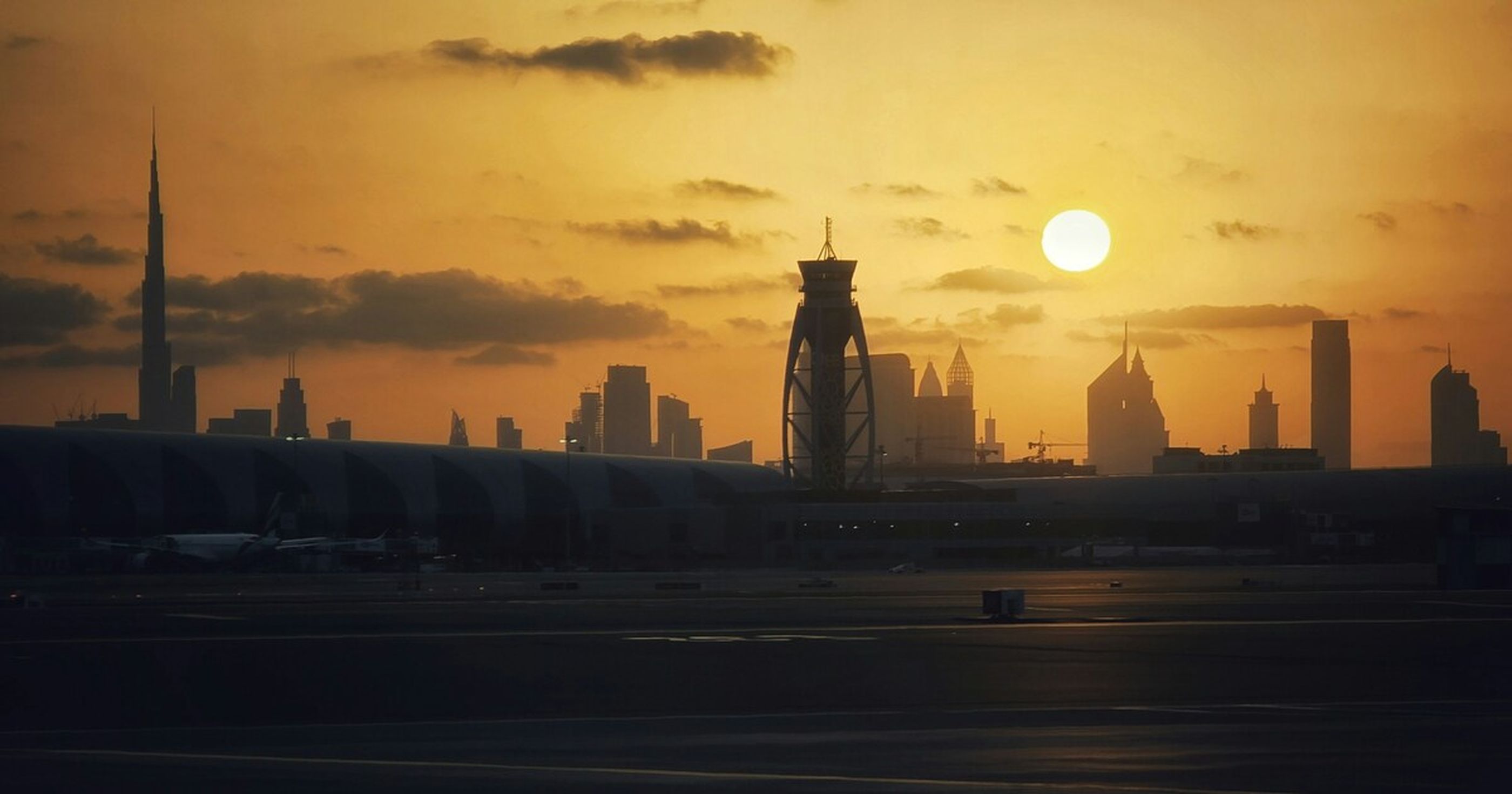
Passengers departing from or traveling to Europe are particularly affected, as the restrictions are not limited to airports directly affected. Major hubs such as Dubai are also coming under pressure, disrupting connecting flights. Flights between Europe and Asia are particularly affected, as many of these routes pass through the Middle East. Additionally, diversions and altered flight paths are resulting in significantly longer travel times.
For you as a traveler, this raises key questions: Is flying over this region currently safe, should you rebook your flight, and what specific impact does the situation have on your travel plans?
What compensation are passengers entitled to?
Passengers departing from a European airport or traveling with a European airline are protected by the EU Air Passenger Rights Regulation (EC) No. 261/2004. This regulation governs passenger rights in the event of delays, cancellations, and denied boarding.
This regulation clarifies that political instability and wars constitute a so-called “extraordinary circumstance,” i.e., an event beyond the control of airlines. In such cases, airlines are exempt from the obligation to pay compensation to passengers in the event of a delay, cancellation, or denied boarding.
However, they remain obligated to transport passengers to their lawful final destination.
What options are available for onward transportation?
Extraordinary circumstances do not exempt airlines from the obligation to transport passengers to their final destination as quickly as possible. They must therefore offer alternatives, such as through other airlines, indirect connections, or alternative modes of transportation like bus, train, or taxi.
What assistance are stranded passengers entitled to?
Even though the conflict in Iran constitutes an extraordinary circumstance, this does not relieve airlines of their obligations to provide care and transportation. For example, if you, as a passenger, are stranded at the airport waiting for your departure, airlines are obligated to cover meal costs (e.g., through vouchers), accommodation, and transportation to and from the airport.
How can Flightright help you?
Do you have a flight issue? Whether it’s a flight delay, cancellation, or rebooking, Flightright helps you get what you’re entitled to. Simply use our free compensation calculator and check if you’re eligible for up to 600€.
What costs can be reimbursed?
If the airline does not provide assistance and/or prompt re-routing, the costs you incurred yourself can be reimbursed upon presentation of the relevant receipts.
Important: European legislation does not set maximum amounts for reimbursable accommodation costs.
What if I want to cancel my future trip?
If you choose to cancel your flight yourself due to the conflict in the Middle East, this is legally considered a voluntary cancellation. In this case, passenger rights under EU Regulation (EC) No. 261/2004 generally do not apply. Whether and in what form you receive a refund therefore depends exclusively on the terms of the fare you booked.
Budget tickets are often non-refundable or only partially refundable. However, many airlines are currently offering goodwill measures, such as free rebookings or vouchers. There is no general right to a refund, however, as long as the flight ultimately takes place as scheduled.
Exception: Package Tours
The situation may be different if you have booked a package tour in which the flight is part of an overall package. In this case, the provisions of package travel law apply. If unavoidable, extraordinary circumstances exist at the destination or in its immediate vicinity—such as an armed conflict—you may, under certain circumstances, cancel the travel contract free of charge.
The decisive factor is whether your trip would be significantly impaired or whether security risks exist. If such a circumstance is recognized, you will receive a full refund of the travel price without having to pay cancellation fees.
Is flying to the Middle East still safe?
The security situation in the Middle East is currently still considered highly tense and difficult to predict. Military attacks and counterattacks are affecting several countries simultaneously and repeatedly result in unpredictable and short-notice airspace closures.
Even countries that are otherwise considered safe travel destinations (e.g., Gulf states) are currently affected or at least indirectly impacted. Accordingly, the Federal Foreign Office currently advises against air travel to and through the Middle East. The following countries are primarily affected:
Iran
Iraq
Lebanon
Syria
Israel / Palestinian Territories
Jordan
Saudi Arabia
United Arab Emirates
Qatar, Kuwait, Oman, Bahrain, Yemen
Important: Some countries, such as Turkey, Egypt, or Cyprus, currently have no travel warnings, though some have heightened security advisories
Which hubs are still safe layover points during these times?
Although major Gulf hubs like Dubai, Doha, and Abu Dhabi have resumed air traffic following temporary closures, operations remain limited and prone to disruptions. Short-notice airspace closures, diversions, and flight delays may still occur, leading to uncertainty—especially for connecting flights.
If you are currently traveling to Asia, it may therefore be advisable to prefer connections via European or East Asian hubs to minimize the risk of disruptions. For long-haul flights, the following airports are currently particularly suitable as stopovers:
Frankfurt: One of Europe’s most important air traffic hubs with numerous direct and connecting flights throughout Asia.
Munich: A modern and efficient airport with many high-quality connections, particularly to East and Southeast Asia.
London-Heathrow: One of the largest international hubs worldwide with a very extensive route network to Asia.
Paris-Charles-de-Gaulle: A strong transfer option with many connections to Southeast Asia and the Indian Ocean.
Singapore (Changi): One of the most reliable and best-connected hubs worldwide for onward flights within Asia and beyond.
Good to know: If you want to play it safe, you should opt for non-stop flights, especially for long-haul flights in Asia. There are also numerous direct flights from airlines such as Lufthansa, Air France, and British Airways departing from Munich, Paris, or London.
How can Flightright help you?
Do you have a flight issue? Whether it’s a flight delay, cancellation, or rebooking, Flightright helps you get what you’re entitled to. Simply use our free compensation calculator and check if you’re eligible for up to 600€.