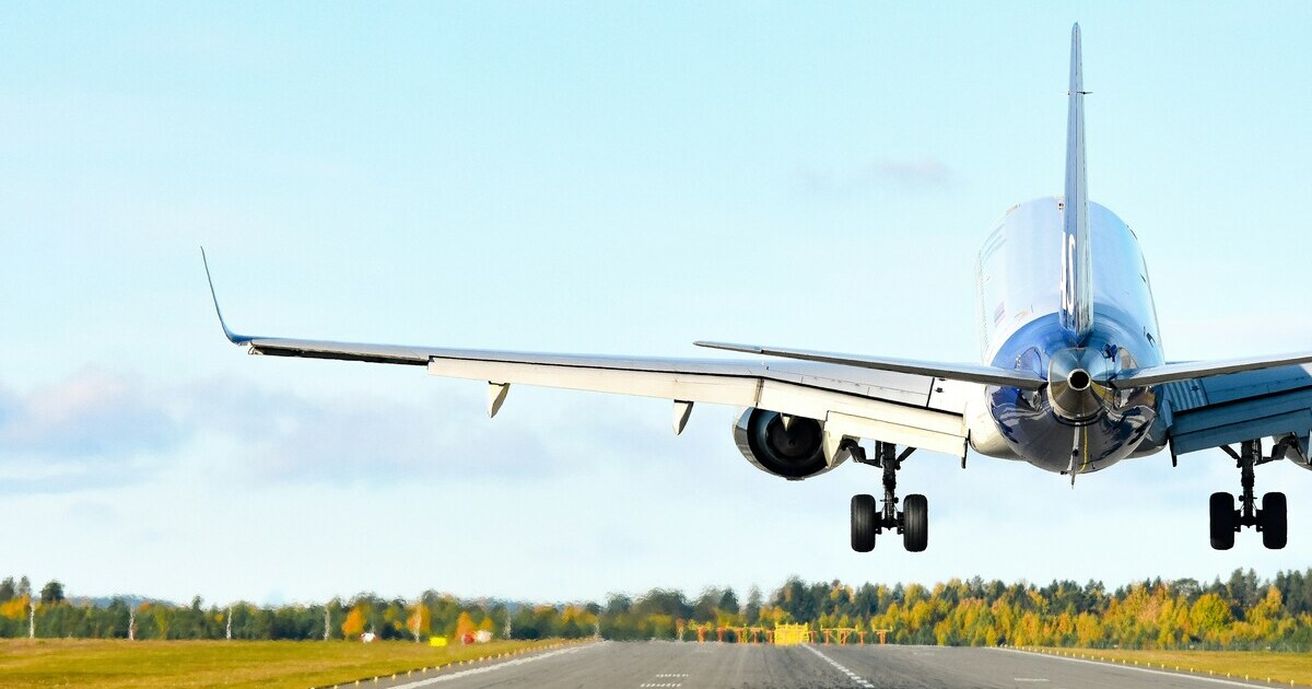
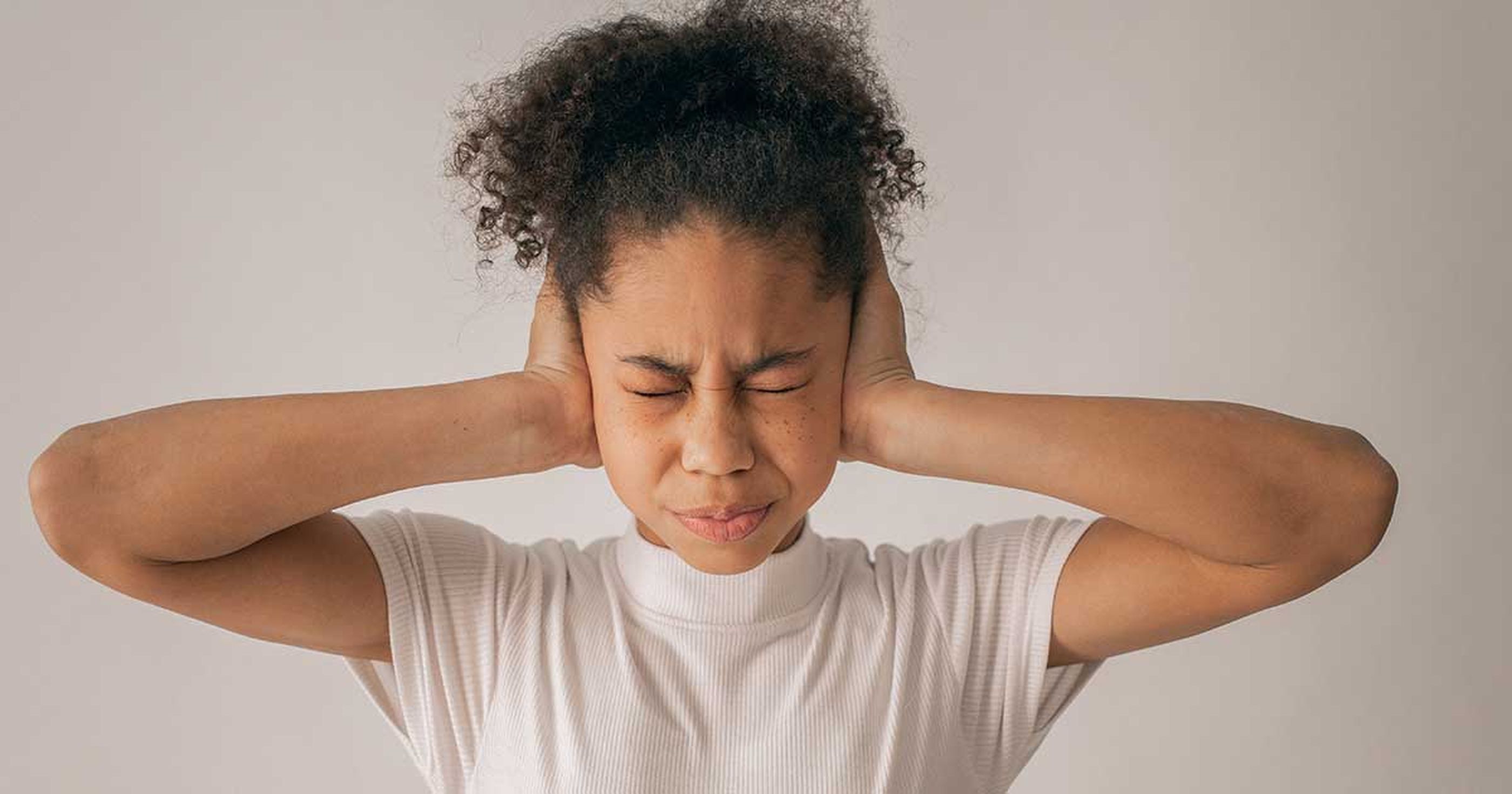
Many air travellers know the feeling only too well. The unpleasant ear pressure when flying in an aeroplane. This feeling is particularly acute during take-off and landing. It can also lead to headaches after the flight. The reason for this is the changing air pressure, which increases or decreases depending on the rise or fall in altitude. The result: airplane ear. In this article, we’re explaining what exactly causes this pressure and how to treat it, and even some helpful tips on how to prevent airplane ears for your next flight.
What is airplane ear?
Airplane ear—also known as ear barotrauma or aerotitis media—is the discomfort or pain you feel in your ears during rapid altitude changes, such as take-off or descent. It occurs when the air pressure in the middle ear and the cabin pressure don’t equalize, stretching the eardrum and potentially causing discomfort. This can result in temporary hearing loss, a feeling of fullness in the ear, or even eardrum pain after flying.
Does aeroplane ear happen to everyone?
Not everyone experiences symptoms to the same extent. While cabin pressure changes affect all passengers, only some feel noticeable discomfort. Individuals with nasal congestion from a cold, allergies, or sinus infection—and young children, whose Eustachian tubes are narrower—are more prone to symptoms.
Ear barotrauma: Symptoms and causes
What are airplane ear symptoms?
Symptoms of airplane ear (ear barotrauma) can range from mild to severe and often include:
A feeling of blocked ears or fullness
Ear pain or pressure in one or both ears
Muffled or reduced hearing
Tinnitus (ringing in the ears)
Dizziness or vertigo
In severe cases, fluid discharge or a perforated eardrum
In some people, the pressure imbalance can also contribute to head and ear pressure or even a headache.
What causes airplane ear?
There are two primary causes:
Pressure imbalance: Rapid altitude changes during take-off and especially landing cause pressure differences between the cabin and the middle ear.
Eustachian tube dysfunction: If the Eustachian tubes (which connect the middle ear to the throat) are blocked due to congestion, inflammation, or anatomical issues, pressure can’t equalize.
Colds, allergies, sinus infections, or even sleeping during descent can increase the likelihood of experiencing symptoms.
Airplane ear treatments
What can I expect if I have airplane ear?
Most cases resolve on their own within a few minutes to hours after landing. However, lingering blocked ears, mild discomfort, or head pressure may persist longer in some individuals. In rare cases, symptoms can last for several days.
If symptoms like pain, fluid drainage, or hearing loss continue beyond 48 hours, it’s important to consult a healthcare provider.
How to unblock ears after a flight?
If you’ve landed but still feel blocked ears, you’re not alone. That “clogged” sensation—like hearing underwater—is a common result of pressure that didn’t equalize properly during descent. The good news? There are several effective methods to relieve this pressure and restore normal ear function:
1. Swallowing and yawning
Swallowing or yawning helps open the Eustachian tubes:
Swallow repeatedly: Drinking water, chewing gum, or sucking on a lozenge can stimulate this reflex.
Yawning deeply: This stretches and activates the muscles needed to equalize pressure.
2. Valsalva maneuver
A well-known method among frequent flyers and divers:
Pinch your nose shut
Close your mouth
Gently exhale as if blowing your nose
This creates internal pressure that helps push air through the Eustachian tubes. Be gentle to avoid worsening symptoms.
3. Frenzel maneuver
A more controlled technique:
Pinch your nose
Close your glottis (as if holding your breath)
Use your tongue to push air toward the back of your nose
This method reduces the risk of over-pressurizing the ears.
4. Warm compress
Applying a warm compress to the affected ear may help relax tissues, improve circulation, and ease pressure.
5. Decongestants and nasal sprays
If congestion or sinus pressure is contributing to the problem:
Use an over-the-counter nasal decongestant spray before and after flying
Oral decongestants may also relieve pressure
Note: Limit use of nasal sprays to 2–3 days to avoid rebound congestion.
6. Jaw movements and ear massage
Gently massaging around your ears and moving your jaw side to side can stimulate drainage.
7. Hydration and patience
Stay well-hydrated before and after flying. Dry mucous membranes can slow recovery. Most cases resolve within a day.
When to see a doctor: If your hearing doesn’t return to normal after 48 hours, or if you experience severe pain, dizziness, or discharge, seek medical advice.
Are there any complications of aeroplane ear?
While most cases are mild and temporary, airplane ear can sometimes lead to complications:
Fluid buildup behind the eardrum
Tinnitus
Dizziness or balance issues
Temporary or long-term hearing loss
Eardrum rupture
Persistent or severe symptoms should always be evaluated by a medical professional.
Can I prevent ear barotrauma?
Absolutely. Preventing airplane ear starts with managing pressure changes proactively.
Stay awake during take-off and landing: Swallowing or yawning frequently helps regulate pressure.
Use decongestants before flying: If congested due to allergies or a cold, take medication before your flight.
Try filtered earplugs: Special earplugs like EARPLANES® slow down pressure changes.
Use pressure equalization maneuvers: Practice Valsalva or Frenzel techniques during descent.
Avoid flying with an active infection: If you have a severe cold or sinus infection, delay your flight.
Encourage children to swallow: Give infants a bottle or pacifier and older kids a drink or candy.
By taking these steps, you can significantly reduce the risk of discomfort and complications.
Frequently asked questions on the topic of airplane ear
How long do ears stay clogged after a flight?
Ears usually return to normal within a few minutes to a few hours after landing. In some cases, especially if you’re congested, symptoms may linger for up to 48 hours.
How long can airplane ear last?
Mild cases last a few hours or less, while more severe symptoms may persist for several days. Persistent issues beyond two days should be assessed by a doctor.
How do you unblock ear pressure?
Swallowing, yawning, or performing the Valsalva or Frenzel maneuver are the most effective methods. Decongestants and warm compresses can also help.
Can the eardrum burst when flying?
Yes, the eardrum can burst when flying, usually due to extreme pressure changes during descent—especially if you Yes, the eardrum can burst (rupture) during a flight, but this is rare. It typically occurs when the pressure difference between the middle ear and the cabin air pressure becomes extreme, and your body is unable to equalize it—especially during descent. Contributing factors include: a cold, congestion, or blocked Eustachian tubes.
How to relieve head pressure after flying?
Hydration, gentle ear-clearing techniques, nasal sprays, and rest can reduce lingering head pressure. A warm compress over the sinuses or ears can also be beneficial.
Can flying cause head pressure?
Yes. Changes in cabin pressure during take-off and landing can cause head pressure, especially if you’re congested or prone to sinus issues.
How to cure ear pain after flight?
Use a warm compress, take over-the-counter pain relief (like ibuprofen), and perform gentle pressure equalization methods. Avoid inserting anything into the ear.
Is airplane headache dangerous?
Airplane headaches are typically not dangerous but can be intense. They usually subside after landing. If they occur frequently or are severe, consult a healthcare provider.
How to cure a flight headache?
Stay hydrated, take pain relievers like ibuprofen, and breathe deeply. Applying a cool compress or massaging the temples may also help.
How do you get rid of aerosinusitis after flying?
Use nasal decongestants, saline rinses, warm compresses, and rest. In more severe cases, a doctor may prescribe medication or recommend further evaluation.
How can Flightright help you?
Your trip is booked but now the airline is getting in the way of your vacation happiness? Your flight is overbooked, delayed or canceled?
Tip: Flightright can help you enforce your air passenger rights! You can check your claims with us free of charge.
As experts in the field of air passenger rights, we enforce your right to compensation against the airline!