The phenomenon of tomato juice on airplanes
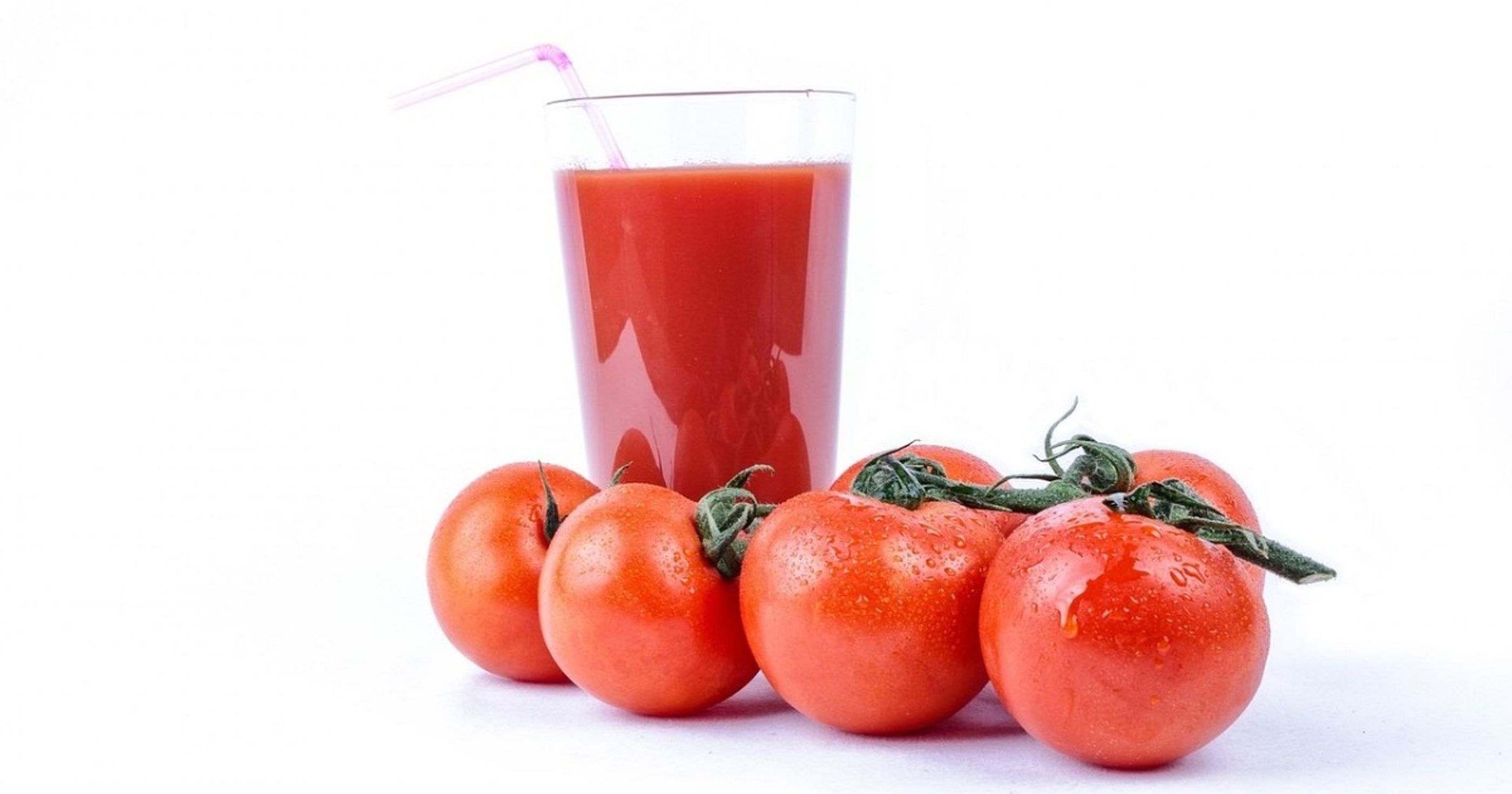
Tomato juice and airplanes—a combination that seems unusual at first glance has become an integral part of the flying experience over the years. While many passengers hardly think about tomato juice in everyday life, this drink seems to exert a magical attraction above the clouds. Statistics show that millions of liters of tomato juice are consumed on board airplanes every year – often more than popular drinks such as beer or cola.
But why is that? Is it due to a change in our taste in the air, psychological factors, or simply availability? This article examines the fascination with tomato juice on airplanes from various perspectives and explains why this drink is so popular at high altitudes.
Scientific explanation: Why does tomato juice taste different in the air?
Science has a clear answer as to why tomato juice tastes different—and for many, better—on airplanes. The main reason lies in the special conditions on board an aircraft. At an altitude of 10,000 meters, the cabin pressure is low, which reduces the oxygen content in the air. At the same time, the humidity is extremely low, often comparable to that in a desert.
These factors significantly influence our sense of taste. Studies have shown that sweet and salty flavors are perceived as less intense under these conditions. Tomato juice, on the other hand, contains umami – a flavor that is not affected by cabin pressure. As a result, it often tastes more intense and pleasant in the air than on the ground.
Taste changes due to flight conditions
In addition to cabin pressure, the dryness of the air also plays a decisive role in the perception of flavors. The dry air in the cabin causes our nasal mucous membranes to dry out, which in turn impairs our sense of smell—an important factor in taste.
Interestingly, the changed conditions also enhance the fruitiness of tomato juice. The interplay of acidity and natural sweetness is more clearly perceived, making it particularly refreshing. No wonder, then, that many passengers find it the ideal choice.
Umami and fruitiness: tomato juice as the winner above the clouds
Tomato juice has a decisive advantage over other drinks: its high umami content. Umami is one of the five basic tastes and is often described as “savory” or “meaty.” Combined with the natural fruitiness of tomatoes, this results in a full-bodied taste that is further enhanced by the conditions in the cabin.
This umami effect makes tomato juice a unique choice on an airplane. While other beverages such as cola or water often seem bland, tomato juice offers an intense taste experience that many passengers love.
Psychological factors: The domino effect
In addition to physiological reasons, psychological factors also play a role in the popularity of tomato juice on airplanes. One phenomenon is the so-called domino effect: when one passenger orders tomato juice, others tend to follow suit. This is because people tend to imitate the behavior of others—especially in unfamiliar situations such as a flight.
Habits also play a role. Many people associate tomato juice with flying and order it out of pure tradition or nostalgia, even if they rarely drink it on the ground.
The red miracle cure of aviation: culinary adaptations on board
In-flight kitchens specifically adapt their menus to the special conditions on an airplane—from snacks to beverages. Tomato juice also benefits from this: it is often served lightly seasoned to further optimize its taste.
Other foods and beverages, on the other hand, lose their appeal in the air. Coffee, for example, often tastes more bitter than it does on the ground, while sweet desserts seem less intense.
Health benefits of tomato juice
Tomato juice is not only delicious, but also healthy – another reason for its popularity on airplanes. It contains important minerals and nutrients such as vitamin C, potassium, and lycopene, an antioxidant that has anti-inflammatory properties.
In addition, tomato juice can help maintain fluid balance – an important factor on long flights, as the dry cabin air has a dehydrating effect.
No tomato juice due to flight cancellations and delays: Flightright can help you
You’re looking forward to your next flight – and, of course, to the obligatory tomato juice, which simply tastes better above the clouds. But suddenly your flight is canceled or significantly delayed. The disappointment is great, and your anticipation of that special taste experience remains unfulfilled. But don’t worry: Flightright is at your side to help you assert your rights.
Many passengers are unaware that they are entitled to financial compensation in the event of flight cancellations or delays. Even if you have been offered a hotel voucher, meal vouchers, or a replacement flight at the counter, you can still receive up to €600 in compensation (minus a commission of 20–30% [plus 14% solicitor’s surcharge, if applicable] plus VAT). Flightright ensures that you can assert your claims quickly, easily, and without risk.
Your rights in the event of flight cancellations and delays
According to the EU Air Passenger Rights Regulation (EC 261/2004), you are entitled to compensation if your flight is delayed, canceled, or overbooked. The amount of compensation depends on the flight distance and the duration of the delay:
€250 for flights up to 1,500 km
€400 for flights between 1,500 km and 3,500 km
€600 for flights over 3,500 km
Flightright reviews your case free of charge and handles all communication with the airline. Only if successful will a commission of 20 to 30% (plus 14% solicitor’s surcharge, if applicable) be retained – so you don’t take any financial risk.
Comparison: Popularity of tomato juice vs. other beverages
Tomato juice is one of the most popular beverages on board aircraft, often surpassing classics such as beer or coffee. According to a study, more than 200 million liters of tomato juice are consumed on flights worldwide every year – an impressive figure.
Why is that? In addition to its unique taste, tomato juice also offers practical advantages: it is filling, refreshing, and can even help with nausea – a problem that affects many passengers. The fact that tomato juice quenches thirst faster than other beverages due to its high sodium content also plays a role.
But how does tomato juice compare to other beverages? Here are some facts:
Calories: A glass (8.5 ounces) of tomato juice has about 40-50 calories, depending on the brand and additives. In comparison, a glass of cola (240 ml) has about 100 calories.
Sugar: The sugar content of tomato juice is very low—about 4-6 grams per glass. In comparison, a glass of apple juice (240 ml) contains around 24 grams of sugar.
Sodium: Tomato juice has a higher sodium content than most other beverages because it is made from tomatoes, which are naturally rich in this mineral. A glass of tomato juice (240 ml) contains an average of 600 mg of sodium, while a glass of coconut water (240 ml) contains only about 60 mg of sodium.
Vitamins and antioxidants: Tomato juice is a rich source of vitamin C, which plays an important role in strengthening the immune system. It also contains vitamins A and E, as well as lycopene, an antioxidant known for its anti-inflammatory properties.
Potassium: Tomato juice is rich in potassium, a mineral that is important for maintaining healthy blood pressure and normal heart function. One glass of tomato juice (240 ml) contains about 650 mg of potassium, while one glass of orange juice (240 ml) contains only about 450 mg.
Fiber: One serving of tomato juice provides about 2 g of fiber, which is equivalent to one cup of cooked whole wheat pasta. A diet rich in fiber can help reduce constipation and lower the risk of heart disease, diabetes, and colon cancer.
Conclusion: A drink with cult status
Tomato juice on an airplane is more than just a drink—it’s a cult phenomenon with scientific and psychological roots. The combination of altered taste buds, the umami effect, and tradition makes it the perfect choice above the clouds.
Next time you fly, why not try a sip for yourself? You too may rediscover the fascination of this unique drink—and join the millions of passengers for whom tomato juice is an integral part of the flying experience.
How can Flightright help you?
You are stuck at the airport because of a flight delay? Your flight has been canceled, or you have been removed from the passenger list? In each of the situations described, you have a right to compensation as an air passenger.
Tip: Flightright helps you enforce your air passenger rights! With us, you can check your claims free of charge in two minutes. ✔️Easy, ✔️fast & without ✔️risk
According to the EU Passenger Rights Regulation, passengers are entitled to compensation in the event of a delay, cancellation, overbooking, or missed connection. You can claim up to 600 euros of compensation per person (minus commission fee). This compensation is independent of the ticket price. Flightright enforces your right for you. If necessary also in court.
As experts on the subject of air passenger rights, we enforce your right to compensation against the airline! Flightright’s air passenger rights experts are also happy to help you with ticket reimbursements